New — Live Demo
Forging small games into unforgettable moments
Arcadia Forge is a creative toolkit and showcase where indie teams and solo makers ship playable experiments. We combine rapid tools, narrative craft, and arcade-grade feedback loops so your prototype looks, sounds and plays like a grown-up release.
Arcade flair · Modular systems · Player-first metrics
Why Arcadia Forge
Rapid Playloops
Ship a mechanical prototype in hours. Fine-tune reward cadence and feel with hot-reload modules.
Stylized Kits
Pixel shaders, sfx bundles and UI chrome that evoke arcade grit with modern polish.
Player Insights
Session micro-metrics and heat snapshots help you turn fun into retention.
Snapshots from Builders
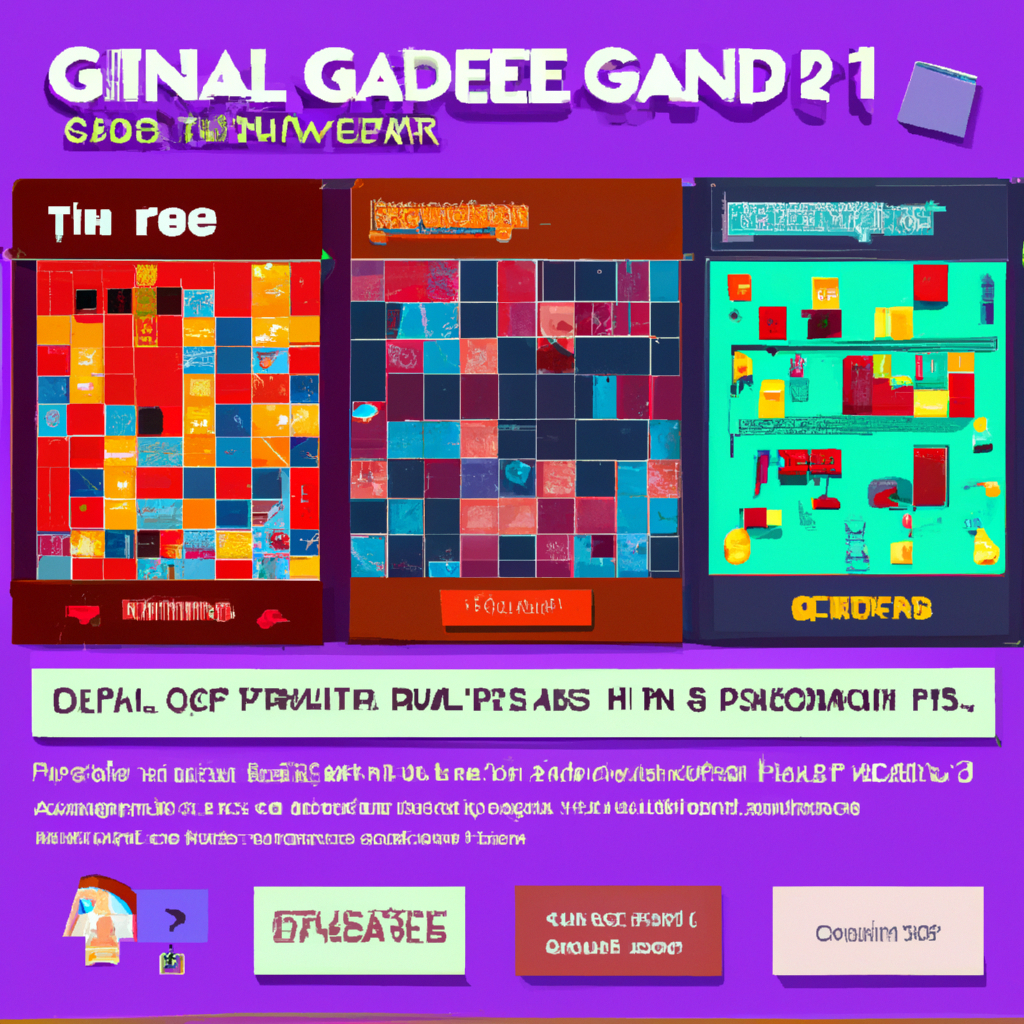
Curated highlights
Level variations, HUD experiments, and animated transitions that grew directly from player tests. Each image is annotated with tweaks and the design choice that unlocked a better loop.
Player & Creator Stories
“We cut our prototyping time by two weeks and found the game’s true rhythm in the first playtest. The tooling felt like a collaborator.”
Small teams cite faster iteration and clearer focus. Players mention surprise loops and a satisfying feedback tone that keeps sessions short but meaningful.
How Arcadia Forge fits your process
Compose
Choose kits for audio, particle systems, and input mappings. Combine them with scene templates; hot-swap assets while playtesting.
Measure
Lightweight telemetry surfaces player choice without user friction. Visualize funnels and micro-engagement in minutes.
Ship a playable moment this week
Join an active builder community, get access to kits and pipelines, and use the Forge runtime for prototyping across platforms.
FAQ
What platforms are supported?
Desktop builds, web playtests, and limited console targets via export packs.
Can I use my own assets?
Yes. The kits are modular: drop in sprites, audio stems, or shaders and map them to templates.
Talk to a builder
© Arcadia Forge. Privacy Policy · Terms of Service